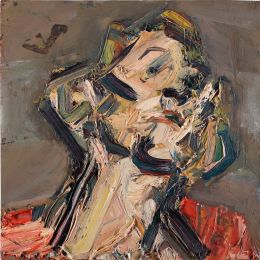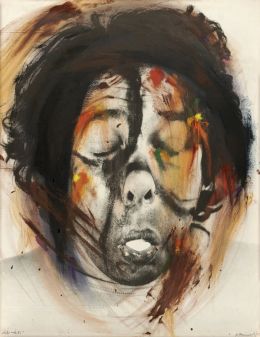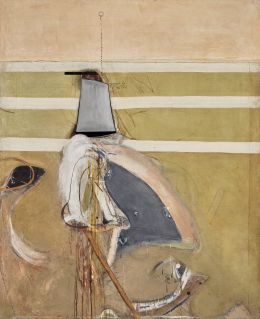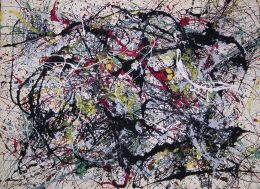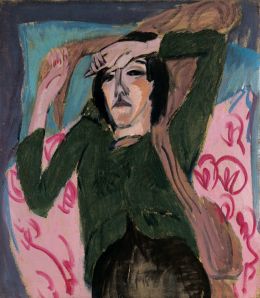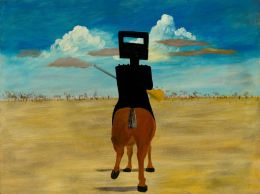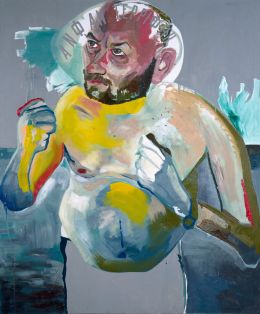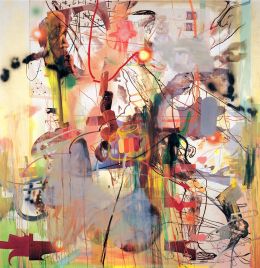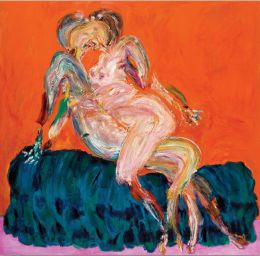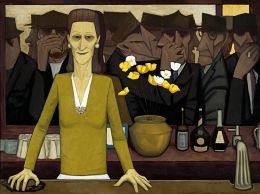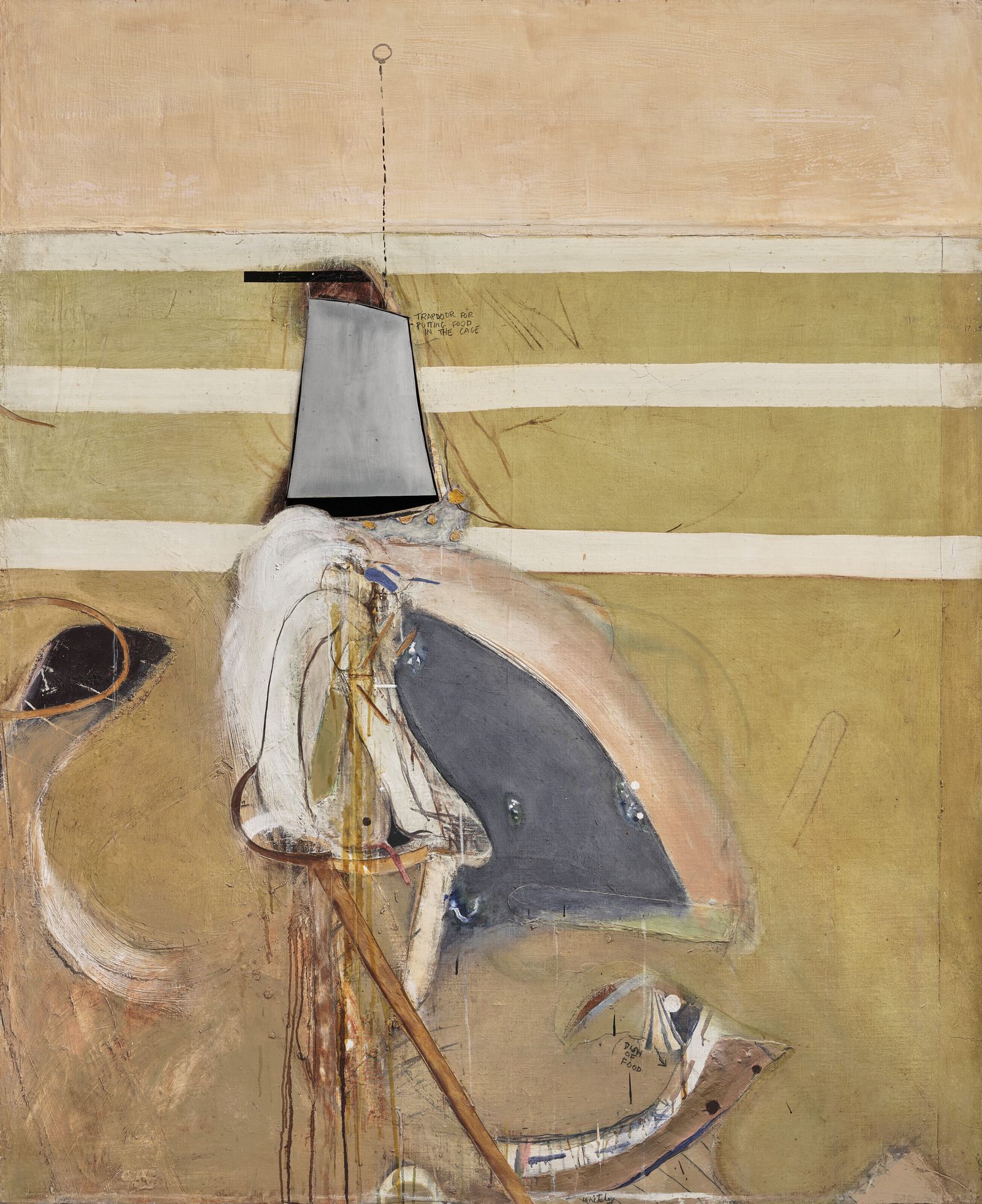
Australian painter, born in Sydney, where he studied at the Julian Ashton Art School, 1957–9. In 1960 he travelled to Europe on a scholarship and after a few months in Italy moved to London in 1961. At this time there was something of a vogue for Australian art in Britain and he quickly achieved success: he won the international prize at the Paris *Biennale for Young Artists in 1961 and had his first one-man exhibition in 1962, at the Matthiesen Gallery, London. After spending a year and a half in New York and a year in Fiji, he returned to Sydney in 1970. Whiteley's work was based on the human figure but often came close to abstraction. His imagery was sometimes erotic or violent: in 1964–5, for example, he did a series based on the crimes of the infamous sex murderer Christie, who was executed in London in 1953.
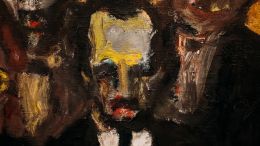
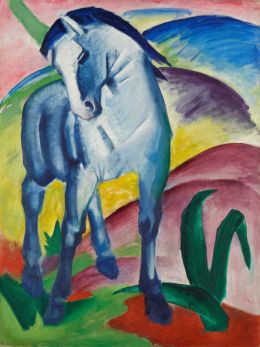
Emil Nolde (born Hans Emil Hansen; 7 August 1867 – 13 April 1956) was a German-Danish painter and printmaker. He was one of the first Expressionists, a member of Die Brücke, and was one of the first oil painting and watercolor painters of the early 20th century to explore color. He is known for his brushwork and expressive choice of colors. Golden yellows and deep reds appear frequently in his work, giving a luminous quality to otherwise somber tones. His watercolors include vivid, brooding storm-scapes and… more